Coriander Leaves (Cilantro)
Latin (botanical) name : Coriandrum sativum
Introduction / Overview
Coriander leaves, also known as cilantro in North America, come from the Coriandrum sativum plant, which belongs to the parsley family (Apiaceae). While the seeds are used as a spice, the leaves and stems are a fresh, green herb with a bright citrusy, slightly peppery, and pungent flavor.
They are a staple in Asian, Latin American, Middle Eastern, and Mediterranean cuisines. Interestingly, some people perceive coriander leaves as “soapy” due to genetic variations in smell receptors, making it a divisive herb worldwide.
Key Benefits
- Rich in vitamins & minerals – High in vitamin K (supports bone health), vitamin C (boosts immunity), and vitamin A (eye health).
- Detoxifying properties – Helps the body remove heavy metals like lead and mercury.
- Antioxidant-rich – Fights free radicals and reduces oxidative stress.
- Blood sugar regulation – Studies suggest coriander leaves may help lower blood sugar.
- Digestive aid – Traditionally used to reduce bloating, gas, and indigestion.
- Anti-inflammatory – Compounds may support joint and heart health.
Where It’s Used (Culinary Applications)
- Garnish – Freshly chopped on curries, dals, soups, and rice for freshness.
- Chutneys & sauces – Used in Indian coriander chutney, Mexican salsa verde, guacamole, and Thai green curry pastes.
- Salads – Common in tabbouleh, kachumber, and Mexican-style salads.
- Marinades – Blended with garlic, chili, and lemon for meat, fish, or tofu.
- Soups & broths – Enhances Asian noodle soups and Middle Eastern lentil soups.
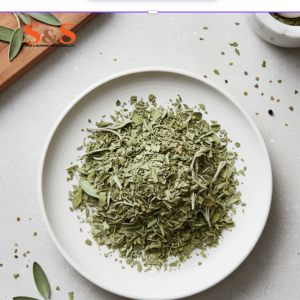
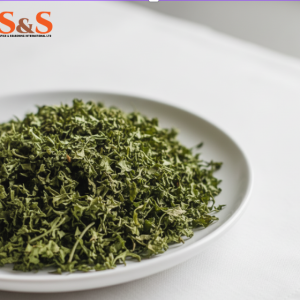
- Juices & beverages – Sometimes added to detox drinks and herbal teas.Our Products* Coriander leaves


Reviews
There are no reviews yet.