Latin (botanical) name : Origanum majorana
Introduction / Overview
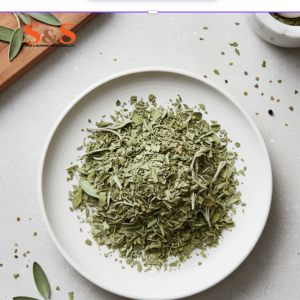
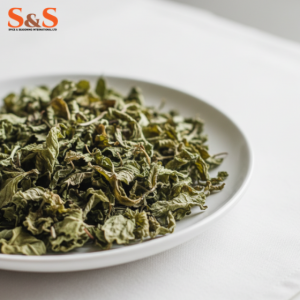
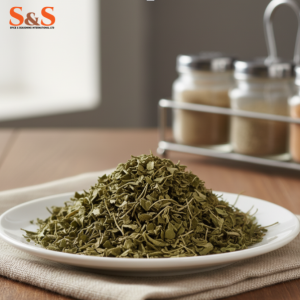
Marjoram (Origanum majorana) is a fragrant herb in the mint family (Lamiaceae), closely related to oregano but with a sweeter, milder, and more delicate flavor. Native to the Mediterranean region, marjoram has been cherished since ancient times for both culinary and medicinal purposes.
Unlike oregano’s sharp and robust taste, marjoram has a subtle citrus-pine note with floral sweetness, making it ideal for seasoning meats, vegetables, and sauces. It is commonly used in Mediterranean, French, German, and Middle Eastern cuisines.
Key Benefits
- Digestive aid – Supports healthy digestion and reduces bloating.
- Rich in antioxidants – Helps fight free radicals and supports overall immunity.
- Anti-inflammatory properties – Beneficial for joint and heart health.
- Supports respiratory health – Traditionally used for relieving coughs and colds.
- Calming effect – Known in herbal medicine for promoting relaxation and sleep.
- Bone and heart health – Provides vitamins A, C, and K, along with calcium and magnesium.
Where It’s Used (Culinary Applications)
- Seasoning for meats & poultry – Enhances roasts, sausages, and stuffing.
- Vegetable dishes – Complements potatoes, carrots, zucchini, and mushrooms.
- Soups & stews – Adds depth to lentil soups, bean dishes, and broths.
- Sauces & marinades – Common in tomato sauces, herb blends, and salad dressings.
- Herb blends – Essential part of French Herbes de Provence and Italian seasoning mixes.
- Middle Eastern cooking – Sometimes used in za’atar mixes alongside oregano and thyme.


Reviews
There are no reviews yet.