Bay Leaves

Latin (botanical) name : Laurus nobilis

Introduction / Overview

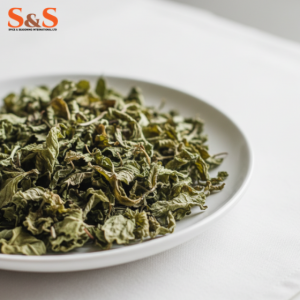
Bay leaves are aromatic leaves commonly used as a seasoning in cooking. They come from the bay laurel tree (Laurus nobilis), a small evergreen native to the Mediterranean region. Bay leaves have been valued for thousands of years not only as a culinary flavoring but also for their symbolic role in ancient cultures—Greek and Roman traditions associated bay wreaths with victory and honor.

When dried, the leaves release a subtle, herbal, and slightly floral aroma with notes of pine, clove, and eucalyptus.


Key Benefits

  • Digestive aid – Traditionally used to ease bloating, indigestion, and improve gut health.
  • Rich in antioxidants – Contains compounds like caffeic acid and rutin that help fight oxidative stress.
  • Anti-inflammatory properties – Eugenol and other essential oils support joint and muscle health.
  • Supports heart health – Some studies suggest compounds in bay leaves may help regulate blood sugar and cholesterol.
  • Immune booster – Contains vitamin A, vitamin C, and small amounts of iron, calcium, and magnesium.

Where It’s Used (Culinary Applications)

  • Soups and stews – Added whole and removed before serving, for subtle depth of flavor.
  • Rice dishes – Essential in biryanis, pilafs, and pulao, especially in Indian cuisine.
  • Sauces and curries – Common in tomato sauces, curries, and braised dishes.
  • Marinades – Used with meats and fish for aroma and tenderization.
  • Pickling and preserves – Enhances flavor in pickles, chutneys, and stocks.
  • Beverages – Sometimes infused in teas and spiced drinks for its medicinal properties. 

    Our Products

    * Bay leaves

    * Bay leaves HT

Category:

Description

Available Forms

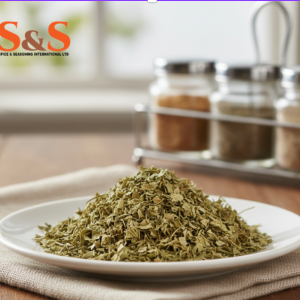
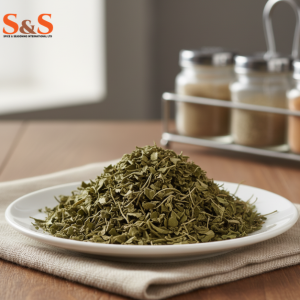
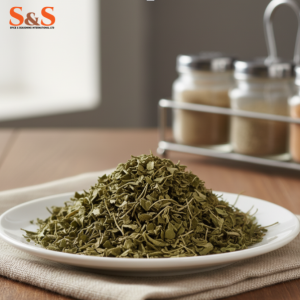
  • Whole dried leaves – The most widely used form for cooking.
  • Fresh leaves – Less common, milder in flavor, usually from backyard gardens.
  • Ground bay leaf powder – Used in spice blends but less common due to intense flavor.
  • Bay leaf oil / extracts – Used in aromatherapy, herbal remedies, and perfumery.

    Additional Information / Fun Facts

    • In ancient Rome, victorious generals and athletes were crowned with bay wreaths as a symbol of success.
    • Bay leaves were considered sacred to the god Apollo in Greek mythology.
    • The flavor of bay leaves intensifies over time when simmered, so they are typically cooked for long durations.
    • There is a difference between Mediterranean bay leaves (Laurus nobilis) and Indian bay leaves (Cinnamomum tamala):
      • Mediterranean bay leaves are shorter, oval, and have a milder eucalyptus-like flavor.
      • Indian bay leaves are longer, with three distinct veins, and taste closer to cinnamon.
    • Bay leaves are inedible whole (too tough and sharp), so they are always removed before eating.

    Quick Facts

    • Botanical Name: Laurus nobilis (true bay laurel)
    • Family: Lauraceae
    • Flavor Profile: Herbal, slightly floral, with pine, eucalyptus, and clove notes
    • Origin: Mediterranean region
    • Varieties: Mediterranean bay leaf, Indian bay leaf (Cinnamomum tamala)
    • Storage: Keep dried leaves in an airtight container away from light for up to a year
    • Cooking Tip: Best added early in cooking to allow flavor to infuse gradually

Reviews

There are no reviews yet.

Be the first to review “Bay Leaves”

Your email address will not be published. Required fields are marked *